
The Speed-to-Lead Gap: What 10 Minutes Really Costs
In SMS and WhatsApp, a 10-minute delay can quietly erase bookings. Learn the compounding math, hour-of-day impact, and response benchmarks.
Why 10 minutes feels like 10 hours in SMS/WhatsApp
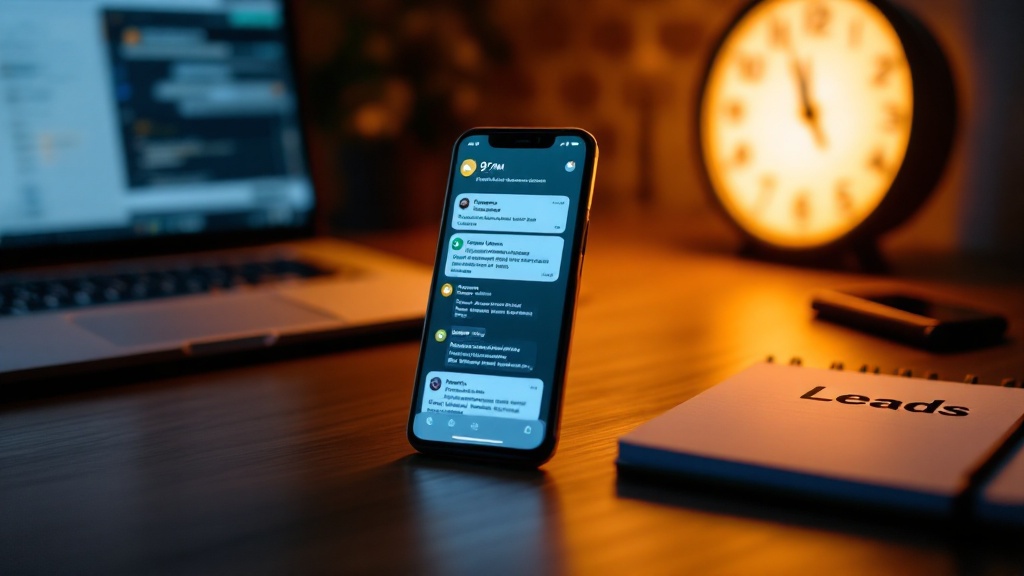
In a small business, most revenue arrives through a handful of daily conversations—often on SMS or WhatsApp. That’s why speed-to-lead isn’t just a sales metric; it’s part of the customer experience. When a prospect texts “Can you do Friday?” they’re usually shopping in parallel. The first clear, confident reply sets the pace, anchors trust, and reduces the chance they keep scrolling.
Delays compound because messaging is threaded: every minute without a response increases the chance the lead starts a new thread with a competitor, forgets to follow up, or decides it will be “too hard” to book. In practice, slow replies also create inconsistent tone and qualification, which hurts lead conversion even when you eventually respond. This is the hidden tax in sms marketing: you may pay to generate the inbound lead, then lose the booking to response friction—especially after hours, when owners want to be offline but customers are still searching and texting.
A simple model to estimate bookings lost by hour-of-day
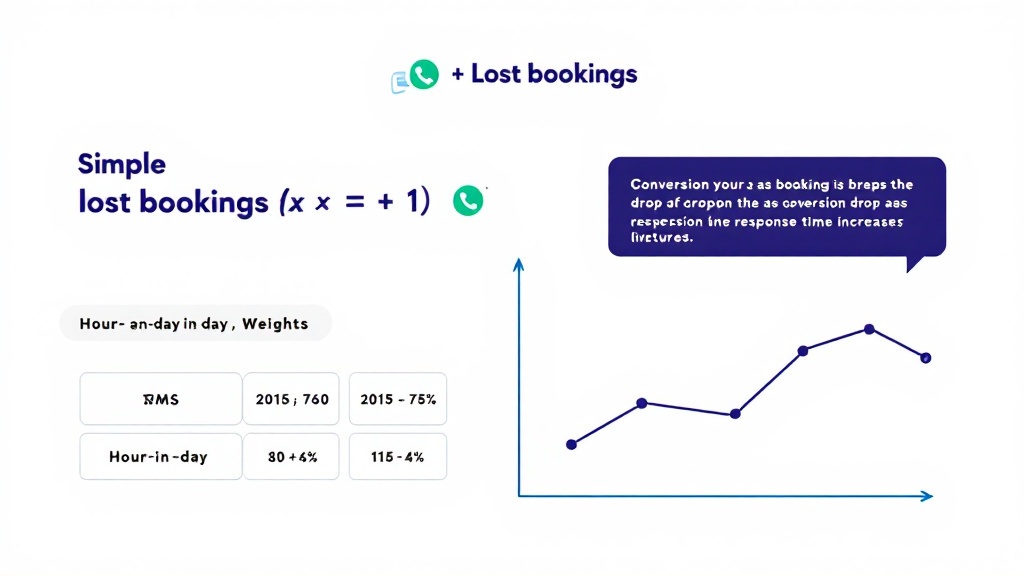
You don’t need perfect attribution to estimate what the speed-to-lead gap costs. Start with a baseline: how many inbound conversations you get per day and what percent normally become booked jobs or appointments. Then apply a response-time penalty and an hour-of-day multiplier.
Quick model: Lost bookings = Leads × Base conversion × Response penalty × Hour weight Where Response penalty can be a simple step function (e.g., 0–1 min: 0.05, 1–5 min: 0.12, 5–15 min: 0.25, 15–60 min: 0.45, 60+ min: 0.65). Hour weight reflects urgency: 9am–5pm = 1.0, 5pm–9pm = 1.3, 9pm–8am = 1.6, weekends = 1.4.
Example: 8 after-hours leads/week, 30% base lead conversion. If you average 30 minutes (penalty 0.45) at 9:30pm (weight 1.6): 8 × 0.30 × 0.45 × 1.6 ≈ 1.7 bookings lost weekly—often your highest-intent inquiries.
Benchmarks that win: good, great, and instant (without adding staff)
Response benchmarks vary by industry, but the pattern is consistent: faster replies lift conversion and reduce leakage. For most small business inbound texting, good is under 15 minutes, great is under 5 minutes, and instant is under 60 seconds—especially for price/availability and “can I book today?” messages. If your sms marketing is working, you’ll feel this pressure most at lunch, evenings, and weekends, when leads arrive in bursts.
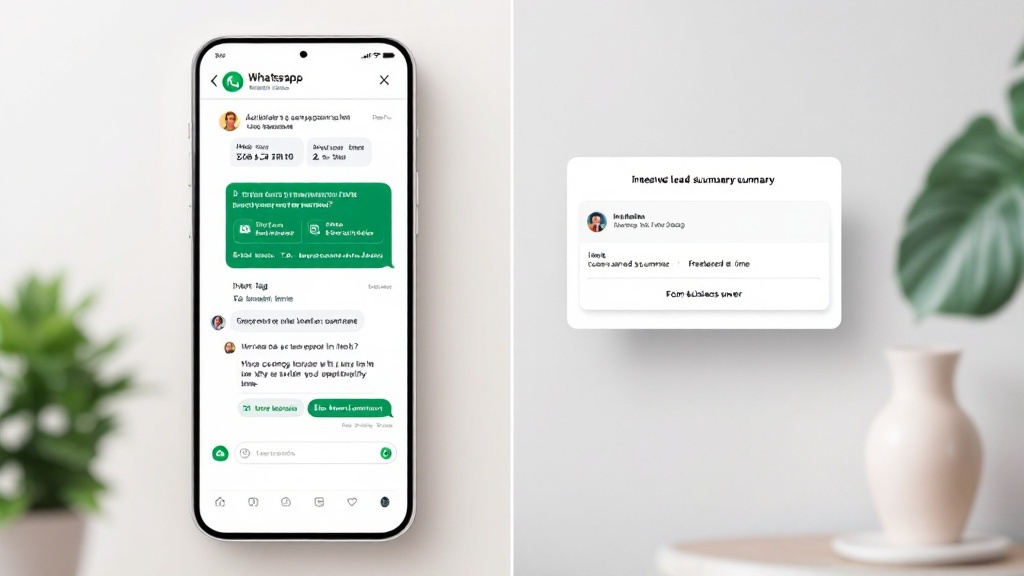
The practical path to “instant” isn’t asking owners to live in their inbox—it’s standardizing the first 3 minutes of the conversation. That means: (1) answer FAQs from a single source of truth, (2) run a short qualification script, (3) capture a booking preference, and (4) escalate only when needed. A channel-native conversationalai assistant like ThreadFirst Handoff can do this directly inside SMS/WhatsApp: automate fast replies, collect structured intake, propose tour/appointment windows, then hand off a prioritized summary to a human. The result is better customer experience and higher lead conversion—without hiring another responder.